This festival package combines Bhutan’s most celebrated cultural attractions with one of its great ceremonial events, the Paro Tshechu. The tour is ideal for guests who want both classic sightseeing and a deeper encounter with Bhutanese ritual performance, community gathering, sacred masked dances, and festive valley life. It combines Thimphu, Punakha, and Paro with dedicated time for festival attendance. Festival programs in Bhutan are among the country’s strongest tourism draws, and accredited operators commonly feature Paro and Thimphu Tshechu departures as headline experiences.
Arrive in Paro and transfer to your hotel for rest and trek briefing. The first day is used to settle into Bhutan, organize equipment, and prepare mentally and physically for the days ahead. Depending on arrival time, visit a nearby cultural landmark or enjoy a relaxed orientation in the valley. Your guide explains altitude, trail conditions, baggage support, camp routines, and what to expect from the Druk Path route. This preparation is important because the trek moves through highland landscapes where comfort depends on good pacing and clear expectations. A calm first day helps trekkers begin with confidence and enjoy the journey from the very start.
Before entering the mountains, spend the day exploring Paro and making final preparations. A visit to Rinpung Dzong or another nearby site adds cultural depth before the trek begins, while a shorter acclimatization walk helps the body adjust. This is also the right time to check trekking shoes, poles, jackets, and daypack essentials. Because Bhutan’s treks are as much about atmosphere as distance, this day establishes the emotional tone of the journey: prayer flags, monasteries, forested slopes, and fresh mountain air. In the evening, meet the trek support team and review the next morning’s departure in detail so everything starts smoothly.
The trek begins with an ascent through forests and hillside trails leading toward Jele Dzong. The route gradually opens to wider views back over Paro Valley, rewarding trekkers with a strong sense of entering Bhutan’s high country. At camp, enjoy the satisfaction of the first mountain night, with cool air, quiet surroundings, and a dramatic sky if conditions are clear. The first day on the trail is physically important because it sets the pace for the journey ahead. Guides monitor comfort and acclimatization carefully, ensuring that the trek remains enjoyable and sustainable rather than rushed. The atmosphere at camp is serene and distinctly Bhutanese.
Continue along the ridge system toward Jangchulakha, passing through landscapes that alternate between forest, open meadows, and higher viewpoints. The trail feels increasingly remote, and on clear days there may be broad Himalayan vistas across the horizon. Yak herder areas, prayer flags, and silence broken only by wind or distant bells create a powerful mountain mood. This is one of the most memorable days of the route because it combines effort with a growing sense of wilderness. Arriving at camp, trekkers are often struck by the stillness and scale of the environment. Evening at Jangchulakha is ideal for photography, reflection, and rest.
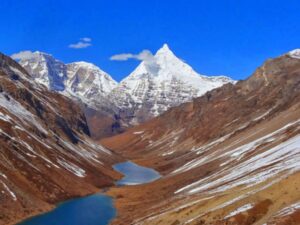
Today’s route leads toward the beautiful lake region associated with Jimilang Tsho, one of the iconic features of the Druk Path experience. The walk is richly scenic, with changing terrain and occasional long views over ridges and valleys. Arriving near the lake gives the trek a magical quality: reflective water, mountain air, and camp life in a spectacular alpine setting. This day captures why the Druk Path is so popular with visitors—it delivers highland beauty without requiring the extreme duration of Bhutan’s hardest treks. In the evening, enjoy hot drinks, a freshly prepared meal, and the unforgettable calm that settles over the camp after sunset.
The trek continues through more high-country scenery toward the Simkota or Phajoding side of the route, depending on your exact camp plan. This section often feels both wild and contemplative, with lakes, ridges, and prayer-flag-lined viewpoints appearing through the day. The walking remains rewarding rather than technical, and the support crew ensures camp is ready on arrival. By now, trekkers usually feel deeply immersed in Bhutan’s mountain rhythm: breakfast at dawn, walking in crisp light, steady climbs, tea stops, and evenings under stars. This penultimate trekking day often becomes a favorite because it combines confidence, scenery, and the emotional depth that builds over several days on foot.
Descend from the highland route toward the Thimphu side, completing the trekking portion of the journey. Returning to roads, buildings, and town life after several nights in camp creates a satisfying contrast and a strong sense of accomplishment. Once in Thimphu, check into your hotel and enjoy a hot shower, comfortable bed, and perhaps a relaxed city visit if time and energy allow. This transition day helps trekkers appreciate both the remoteness of the mountains and the cultural richness of Bhutan’s urban centers. It is also an excellent time for a celebratory dinner, sharing photos and stories from the trail with your guide and companions.
Transfer from Thimphu to Paro for departure, or overnight in Paro if needed depending on flight schedules. The final day is straightforward, allowing time to reflect on the trek’s combination of mountain beauty, camp life, and Bhutanese spirituality. Because the Druk Path is one of Bhutan’s best-known medium treks, it appeals strongly to travelers who want alpine landscapes, sacred atmosphere, and a manageable commitment of time. Official Bhutan tourism promotes it alongside the kingdom’s other flagship trekking experiences, making it a strong commercial product for your website and a reliable favorite for active cultural travelers.